53% of Greek SMEs reached a basic level of digital use in 2024
77.6% of respondents in a Greek e-commerce survey shop online often
~65% of online purchase value in Greece came from smartphones in 2025
What's happening
The European Union measures how digital a business is with the Digital Intensity Index. It checks twelve technologies, such as having a website, selling online or using cloud tools. According to Eurostat, in 2024 only 53% of small and medium businesses in Greece reached the basic level, compared with 90% in Denmark and 93% in Finland. In other words, almost half of Greek SMEs are still below the basics.
The European Commission's 2026 report on Greece says the same. The country has made progress on digital public services, but small businesses are adopting technology slowly, and that holds back growth.
Customers, on the other hand, have already moved. In the latest Greek e-commerce survey by GR.EC.A and ELTRUN (Athens University of Economics and Business), 77.6% of respondents said they buy online frequently or very frequently. And most of that happens on a phone: market estimates put smartphones at roughly two thirds of online transaction value in Greece in 2025.
Why it matters, even if you don't sell online
You might think this is only about online shops. It isn't. Before most people visit a dentist, a bakery or an electrician, they look them up. BrightLocal's 2026 survey found that 97% of consumers read reviews before choosing a local business. That study was done in the US, but the habit is the same anywhere people carry a phone.
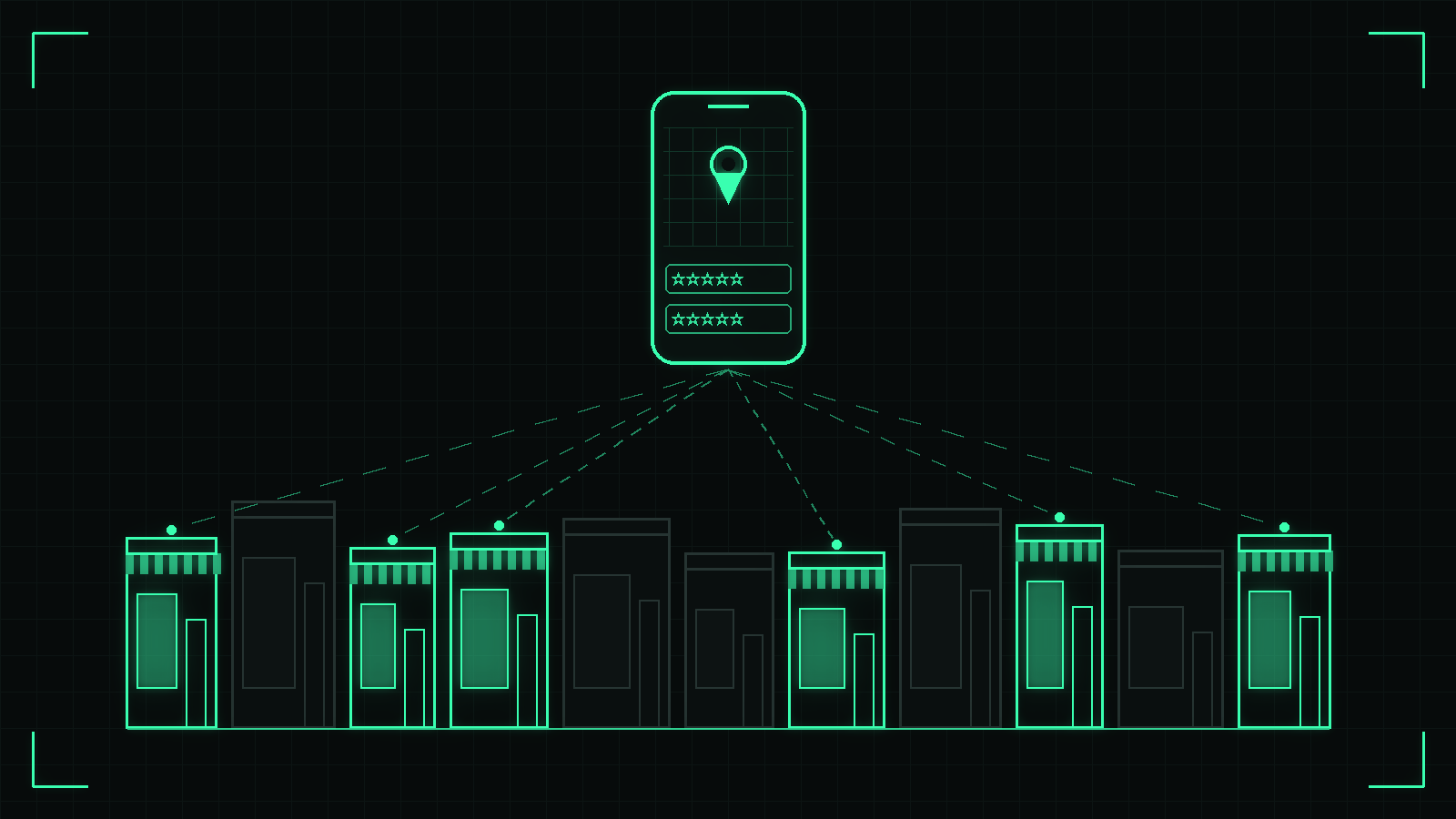
Picture someone in Pagrati searching for a dentist. One clinic shows photos, opening hours, services and a button to book. Another shows only a pin on the map. The choice is made before the second clinic is even considered.
The good news: the bar is low. When almost half the market is still behind, a simple, fast, mobile-friendly presence already puts you ahead of many competitors.
Where technology helps small businesses today
- Being found. A complete Google profile and a clear website answer the questions customers ask before they call: where are you, when are you open, what do you offer.
- Saving time. Online booking, automatic replies and simple chatbots handle the repetitive questions. In a 2026 survey of small businesses in the US, 78.6% of those using AI tools said they lowered costs or worked more efficiently.
- Looking professional. A site that loads fast and reads well on a phone builds trust, the same way a clean shopfront does.
Four things you can do this month
- Search for yourself. Take your phone and search for your type of business and your neighbourhood in Greek, like a customer would. What shows up? Who shows up before you?
- Complete your Google Business Profile. Add opening hours, real photos and your services. Then ask happy customers to leave a review. It costs nothing, and it's often the first thing people see.
- Get a simple, mobile-first website. It doesn't need to be big. One page with who you are, what you offer, where you are and how to contact or book already makes a difference.
- Check public support. Through the Greece 2.0 recovery plan, the Ψηφιακά Εργαλεία ΜμΕ (Digital Tools for SMEs) programme has funded digital products and services with vouchers. Check digitalsme.gov.gr for open calls and eligibility, and ask your accountant.
According to the European Commission, about 42% of the measures in Greece's national digital plan are set to end by late 2026. If you're interested, it's worth checking soon.
SOURCES
- Eurostat, Digitalisation in Europe 2025
- European Commission, Greece's 2026 Digital Decade Country Report
- Athens Times, on the GR.EC.A / ELTRUN Greek E-Commerce Survey
- Mordor Intelligence, Greece E-commerce Market
- Summary of BrightLocal's Local Consumer Review Survey 2026
- Small Business Expo, AI Adoption in 2026
- Greece 2.0, Ψηφιακά Εργαλεία ΜμΕ