← ALL POSTS

Nearly half of Greek small businesses are behind online. Their customers aren't.

European data shows a clear gap between how Greeks shop and how local businesses show up online. Here's what that means for your shop, clinic or restaurant, and four things you can do this month.

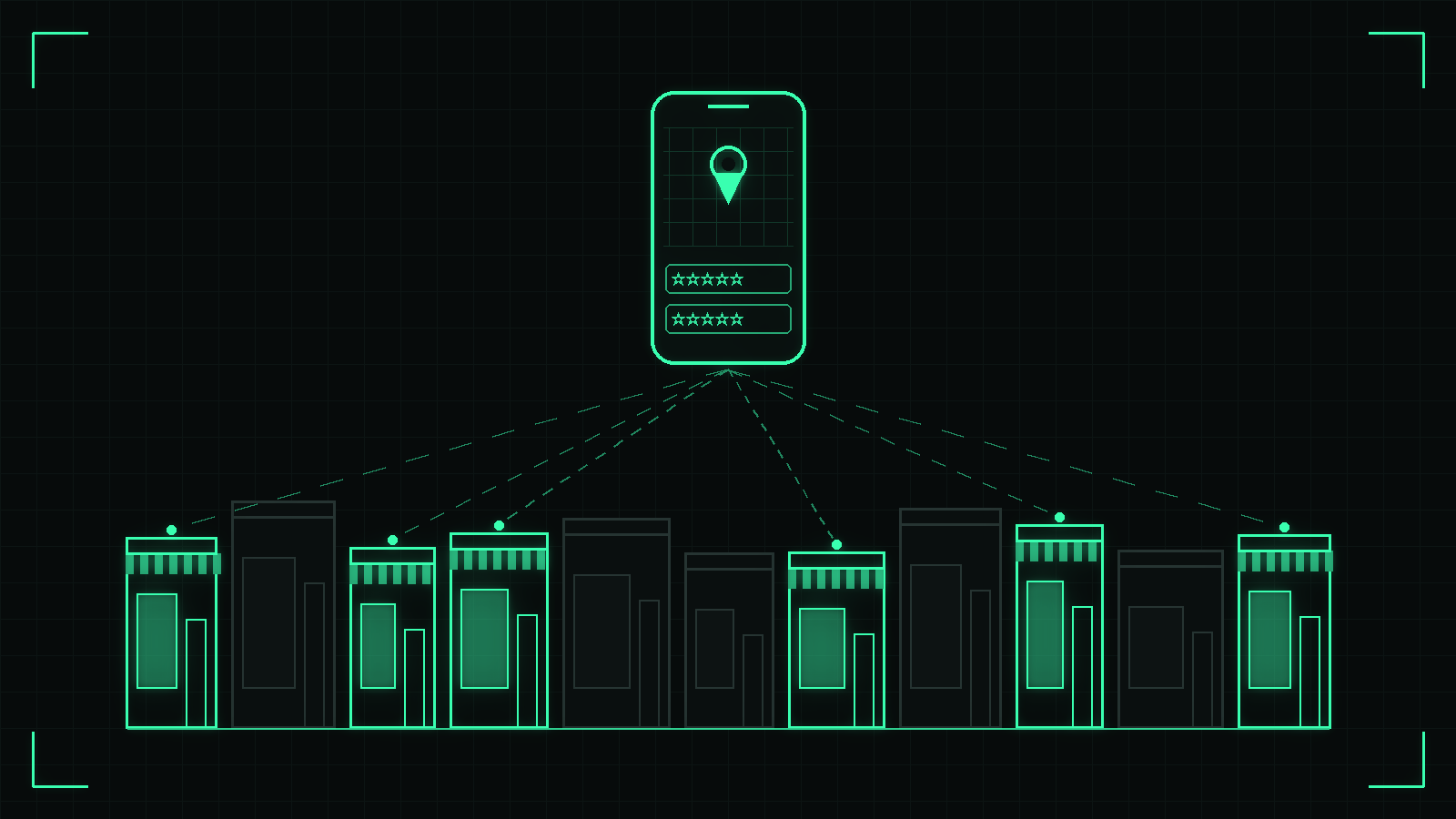
Illustration of a neighbourhood street where about half of the shops glow green and the rest are dark, with a smartphone above connected only to the lit shops.
Customers are online. Only the shops that are online get found.

53% of Greek SMEs reached a basic level of digital use in 2024

77.6% of respondents in a Greek e-commerce survey shop online often

~65% of online purchase value in Greece came from smartphones in 2025

What's happening

The European Union measures how digital a business is with the Digital Intensity Index. It checks twelve technologies, such as having a website, selling online or using cloud tools. According to Eurostat, in 2024 only 53% of small and medium businesses in Greece reached the basic level, compared with 90% in Denmark and 93% in Finland. In other words, almost half of Greek SMEs are still below the basics.

The European Commission's 2026 report on Greece says the same. The country has made progress on digital public services, but small businesses are adopting technology slowly, and that holds back growth.

Customers, on the other hand, have already moved. In the latest Greek e-commerce survey by GR.EC.A and ELTRUN (Athens University of Economics and Business), 77.6% of respondents said they buy online frequently or very frequently. And most of that happens on a phone: market estimates put smartphones at roughly two thirds of online transaction value in Greece in 2025.

Why it matters, even if you don't sell online

You might think this is only about online shops. It isn't. Before most people visit a dentist, a bakery or an electrician, they look them up. BrightLocal's 2026 survey found that 97% of consumers read reviews before choosing a local business. That study was done in the US, but the habit is the same anywhere people carry a phone.

Picture someone in Pagrati searching for a dentist. One clinic shows photos, opening hours, services and a button to book. Another shows only a pin on the map. The choice is made before the second clinic is even considered.

The good news: the bar is low. When almost half the market is still behind, a simple, fast, mobile-friendly presence already puts you ahead of many competitors.

Where technology helps small businesses today

  • Being found. A complete Google profile and a clear website answer the questions customers ask before they call: where are you, when are you open, what do you offer.
  • Saving time. Online booking, automatic replies and simple chatbots handle the repetitive questions. In a 2026 survey of small businesses in the US, 78.6% of those using AI tools said they lowered costs or worked more efficiently.
  • Looking professional. A site that loads fast and reads well on a phone builds trust, the same way a clean shopfront does.

Four things you can do this month

  1. Search for yourself. Take your phone and search for your type of business and your neighbourhood in Greek, like a customer would. What shows up? Who shows up before you?
  2. Complete your Google Business Profile. Add opening hours, real photos and your services. Then ask happy customers to leave a review. It costs nothing, and it's often the first thing people see.
  3. Get a simple, mobile-first website. It doesn't need to be big. One page with who you are, what you offer, where you are and how to contact or book already makes a difference.
  4. Check public support. Through the Greece 2.0 recovery plan, the Ψηφιακά Εργαλεία ΜμΕ (Digital Tools for SMEs) programme has funded digital products and services with vouchers. Check digitalsme.gov.gr for open calls and eligibility, and ask your accountant.
According to the European Commission, about 42% of the measures in Greece's national digital plan are set to end by late 2026. If you're interested, it's worth checking soon.

SOURCES

Quase metade das pequenas empresas gregas está atrasada no digital. Os clientes delas, não.

Dados europeus mostram uma distância clara entre a forma como os gregos compram e a forma como os negócios locais aparecem na internet. Veja o que isso significa para a sua loja, clínica ou restaurante, e quatro coisas que pode fazer este mês.

Ilustração de uma rua de bairro onde cerca de metade das lojas brilha a verde e as restantes estão apagadas, com um telemóvel por cima ligado apenas às lojas acesas.
Os clientes estão online. Só as lojas que estão online são encontradas.

53% das PME gregas atingiram um nível básico de utilização digital em 2024

77,6% dos inquiridos num estudo grego de comércio eletrónico compram online com frequência

~65% do valor das compras online na Grécia veio de telemóveis em 2025

O que está a acontecer

A União Europeia mede o nível digital de uma empresa com o Índice de Intensidade Digital. Este índice verifica doze tecnologias, como ter um site, vender online ou usar ferramentas na nuvem. Segundo o Eurostat, em 2024 só 53% das pequenas e médias empresas da Grécia atingiram o nível básico, contra 90% na Dinamarca e 93% na Finlândia. Ou seja, quase metade das PME gregas ainda está abaixo do básico.

O relatório de 2026 da Comissão Europeia sobre a Grécia aponta no mesmo sentido. O país avançou nos serviços públicos digitais, mas as pequenas empresas estão a adotar a tecnologia devagar, e isso trava o crescimento.

Os clientes, por outro lado, já mudaram. No estudo mais recente sobre comércio eletrónico na Grécia, feito pela GR.EC.A e pelo ELTRUN (Universidade de Economia e Negócios de Atenas), 77,6% dos inquiridos disseram que compram online com frequência ou com muita frequência. E a maior parte disso acontece no telemóvel: estimativas de mercado indicam que os smartphones representaram cerca de dois terços do valor das transações online na Grécia em 2025.

Porque é que isto importa, mesmo que não venda online

Pode pensar que isto só diz respeito a lojas online. Não é bem assim. Antes de irem a um dentista, a uma padaria ou a um eletricista, a maioria das pessoas pesquisa. O estudo de 2026 da BrightLocal concluiu que 97% dos consumidores leem avaliações antes de escolher um negócio local. O estudo foi feito nos EUA, mas o hábito é o mesmo em qualquer lugar onde as pessoas andam com um telemóvel.

Imagine alguém em Pagrati à procura de um dentista. Uma clínica mostra fotografias, horário, serviços e um botão para marcar consulta. A outra mostra apenas um pin no mapa. A escolha fica feita antes mesmo de a segunda clínica ser considerada.

A boa notícia: a fasquia está baixa. Quando quase metade do mercado ainda está atrasada, uma presença simples, rápida e pensada para o telemóvel já o coloca à frente de muitos concorrentes.

Onde a tecnologia ajuda as pequenas empresas hoje

  • Ser encontrado. Um perfil completo no Google e um site claro respondem às perguntas que o cliente faz antes de ligar: onde fica, quando está aberto, o que oferece.
  • Poupar tempo. Marcações online, respostas automáticas e chatbots simples tratam das perguntas repetitivas. Num estudo de 2026 com pequenas empresas nos EUA, 78,6% das que usam ferramentas de IA disseram que reduziram custos ou trabalharam com mais eficiência.
  • Transmitir profissionalismo. Um site que carrega depressa e se lê bem no telemóvel inspira confiança, tal como uma montra bem cuidada.

Quatro coisas que pode fazer este mês

  1. Pesquise o seu próprio negócio. Pegue no telemóvel e procure o seu tipo de negócio e o seu bairro em grego, como faria um cliente. O que aparece? Quem aparece antes de si?
  2. Complete o seu Perfil da Empresa no Google. Acrescente o horário, fotografias reais e os seus serviços. Depois peça aos clientes satisfeitos que deixem uma avaliação. Não custa nada e muitas vezes é a primeira coisa que as pessoas veem.
  3. Tenha um site simples, pensado para o telemóvel. Não precisa de ser grande. Uma página que diga quem é, o que oferece, onde fica e como contactar ou marcar já faz diferença.
  4. Consulte os apoios públicos. Através do plano de recuperação Grécia 2.0, o programa Ψηφιακά Εργαλεία ΜμΕ (Ferramentas Digitais para PME) financiou produtos e serviços digitais com vouchers. Consulte digitalsme.gov.gr para saber se há candidaturas abertas e quem pode participar, e fale com o seu contabilista.
Segundo a Comissão Europeia, cerca de 42% das medidas do plano digital nacional da Grécia devem terminar até ao final de 2026. Se tiver interesse, vale a pena verificar em breve.

FONTES

Σχεδόν οι μισές μικρές επιχειρήσεις στην Ελλάδα μένουν πίσω online. Οι πελάτες τους όχι.

Τα ευρωπαϊκά στοιχεία δείχνουν ένα σαφές χάσμα ανάμεσα στον τρόπο που ψωνίζουν οι Έλληνες και στον τρόπο που εμφανίζονται online οι τοπικές επιχειρήσεις. Δείτε τι σημαίνει αυτό για το κατάστημα, το ιατρείο ή το εστιατόριό σας, και τέσσερα πράγματα που μπορείτε να κάνετε αυτόν τον μήνα.

Εικονογράφηση ενός δρόμου της γειτονιάς όπου περίπου τα μισά καταστήματα φωτίζονται πράσινα και τα υπόλοιπα είναι σκοτεινά, με ένα κινητό από πάνω συνδεδεμένο μόνο με τα φωτισμένα καταστήματα.
Οι πελάτες είναι online. Βρίσκονται μόνο τα καταστήματα που είναι κι αυτά online.

53% των ελληνικών ΜμΕ έφτασαν σε βασικό επίπεδο ψηφιακής χρήσης το 2024

77,6% των ερωτηθέντων σε ελληνική έρευνα ηλεκτρονικού εμπορίου ψωνίζουν συχνά online

~65% της αξίας των online αγορών στην Ελλάδα έγινε από smartphone το 2025

Τι συμβαίνει

Η Ευρωπαϊκή Ένωση μετρά πόσο ψηφιακή είναι μια επιχείρηση με τον Δείκτη Ψηφιακής Έντασης (Digital Intensity Index). Ο δείκτης ελέγχει δώδεκα τεχνολογίες, όπως αν η επιχείρηση έχει ιστοσελίδα, αν πουλά online ή αν χρησιμοποιεί εργαλεία cloud. Σύμφωνα με τη Eurostat, το 2024 μόνο το 53% των μικρομεσαίων επιχειρήσεων στην Ελλάδα έφτασε στο βασικό επίπεδο, έναντι 90% στη Δανία και 93% στη Φινλανδία. Με άλλα λόγια, σχεδόν οι μισές ελληνικές ΜμΕ βρίσκονται ακόμη κάτω από τα βασικά.

Η έκθεση της Ευρωπαϊκής Επιτροπής για την Ελλάδα του 2026 λέει το ίδιο. Η χώρα έχει προχωρήσει στις ψηφιακές δημόσιες υπηρεσίες, αλλά οι μικρές επιχειρήσεις υιοθετούν την τεχνολογία αργά, και αυτό φρενάρει την ανάπτυξη.

Οι πελάτες, από την άλλη, έχουν ήδη προχωρήσει. Στην πιο πρόσφατη έρευνα για το ηλεκτρονικό εμπόριο στην Ελλάδα, από τον GR.EC.A και το ELTRUN (Οικονομικό Πανεπιστήμιο Αθηνών), το 77,6% των ερωτηθέντων δήλωσε ότι αγοράζει online συχνά ή πολύ συχνά. Και τα περισσότερα γίνονται από το κινητό: σύμφωνα με εκτιμήσεις της αγοράς, τα smartphone αντιστοιχούσαν περίπου στα δύο τρίτα της αξίας των online συναλλαγών στην Ελλάδα το 2025.

Γιατί έχει σημασία, ακόμη κι αν δεν πουλάτε online

Ίσως σκεφτείτε ότι αυτό αφορά μόνο τα ηλεκτρονικά καταστήματα. Δεν είναι έτσι. Πριν επισκεφτούν έναν οδοντίατρο, έναν φούρνο ή έναν ηλεκτρολόγο, οι περισσότεροι άνθρωποι τους αναζητούν πρώτα στο ίντερνετ. Η έρευνα της BrightLocal για το 2026 βρήκε ότι το 97% των καταναλωτών διαβάζει κριτικές πριν επιλέξει μια τοπική επιχείρηση. Η έρευνα έγινε στις ΗΠΑ, αλλά η συνήθεια είναι ίδια όπου οι άνθρωποι έχουν ένα κινητό στην τσέπη.

Φανταστείτε κάποιον στο Παγκράτι που ψάχνει οδοντίατρο. Ένα ιατρείο δείχνει φωτογραφίες, ωράριο, υπηρεσίες και ένα κουμπί για ραντεβού. Ένα άλλο δείχνει μόνο μια πινέζα στον χάρτη. Η επιλογή γίνεται πριν καν εξεταστεί το δεύτερο ιατρείο.

Τα καλά νέα: ο πήχης είναι χαμηλά. Όταν σχεδόν η μισή αγορά μένει ακόμη πίσω, μια απλή και γρήγορη παρουσία, φτιαγμένη για το κινητό, σας βάζει ήδη μπροστά από πολλούς ανταγωνιστές.

Πού βοηθά σήμερα η τεχνολογία τις μικρές επιχειρήσεις

  • Να σας βρίσκουν. Ένα πλήρες προφίλ στο Google και μια σαφής ιστοσελίδα απαντούν στις ερωτήσεις που κάνει ο πελάτης πριν τηλεφωνήσει: πού βρίσκεστε, πότε είστε ανοιχτά, τι προσφέρετε.
  • Να κερδίζετε χρόνο. Τα online ραντεβού, οι αυτόματες απαντήσεις και τα απλά chatbot αναλαμβάνουν τις επαναλαμβανόμενες ερωτήσεις. Σε έρευνα του 2026 σε μικρές επιχειρήσεις στις ΗΠΑ, το 78,6% όσων χρησιμοποιούν εργαλεία AI δήλωσε ότι μείωσε το κόστος ή δούλεψε πιο αποδοτικά.
  • Να δείχνετε επαγγελματίες. Μια ιστοσελίδα που φορτώνει γρήγορα και διαβάζεται εύκολα στο κινητό χτίζει εμπιστοσύνη, όπως μια περιποιημένη βιτρίνα.

Τέσσερα πράγματα που μπορείτε να κάνετε αυτόν τον μήνα

  1. Αναζητήστε την επιχείρησή σας. Πάρτε το κινητό και ψάξτε το είδος της επιχείρησής σας και τη γειτονιά σας στα ελληνικά, όπως θα έκανε ένας πελάτης. Τι εμφανίζεται; Ποιος εμφανίζεται πριν από εσάς;
  2. Συμπληρώστε το Προφίλ Επιχείρησης στο Google. Προσθέστε ωράριο, πραγματικές φωτογραφίες και τις υπηρεσίες σας. Μετά ζητήστε από ικανοποιημένους πελάτες να αφήσουν μια κριτική. Δεν κοστίζει τίποτα και συχνά είναι το πρώτο πράγμα που βλέπει ο κόσμος.
  3. Αποκτήστε μια απλή ιστοσελίδα, φτιαγμένη πρώτα για το κινητό. Δεν χρειάζεται να είναι μεγάλη. Μία σελίδα που λέει ποιοι είστε, τι προσφέρετε, πού βρίσκεστε και πώς μπορεί κανείς να επικοινωνήσει ή να κλείσει ραντεβού κάνει ήδη τη διαφορά.
  4. Ελέγξτε τις δημόσιες ενισχύσεις. Μέσω του σχεδίου ανάκαμψης Ελλάδα 2.0, το πρόγραμμα Ψηφιακά Εργαλεία ΜμΕ χρηματοδότησε ψηφιακά προϊόντα και υπηρεσίες με voucher. Δείτε στο digitalsme.gov.gr αν υπάρχουν ανοιχτές προσκλήσεις και ποιος μπορεί να συμμετάσχει, και ρωτήστε τον λογιστή σας.
Σύμφωνα με την Ευρωπαϊκή Επιτροπή, περίπου το 42% των μέτρων του εθνικού ψηφιακού σχεδίου της Ελλάδας αναμένεται να ολοκληρωθεί έως τα τέλη του 2026. Αν σας ενδιαφέρει, αξίζει να το ελέγξετε σύντομα.

ΠΗΓΕΣ

Ready to move faster?
Get in touch.

Want AI working for your business, not just on the blog? Let's talk.

START A PROJECT ✓